Modern Dating: Endless Choice, Growing Loneliness
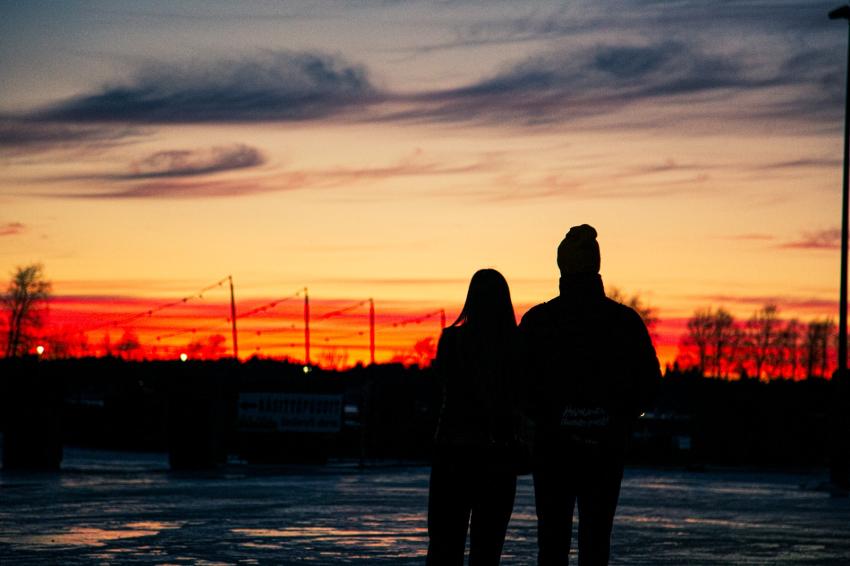


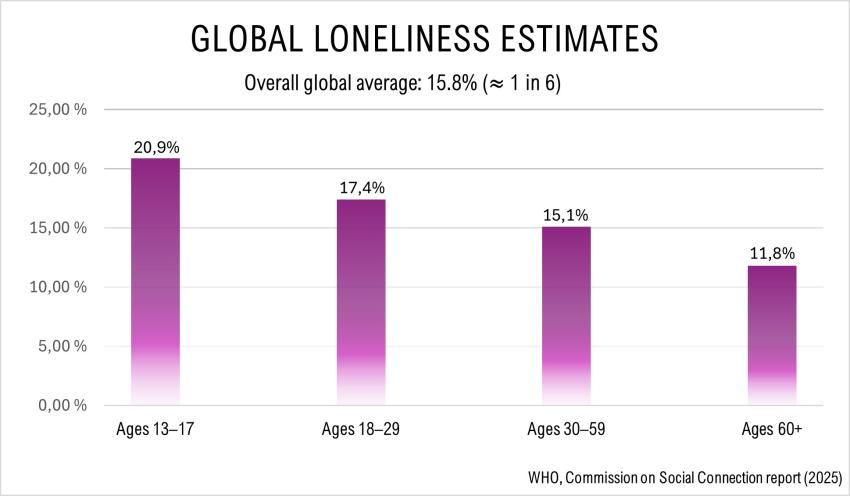
Meeting people has never been easier—yet people are lonelier than ever. Before the digital age, people met their partners through friends, at work, or in bars. Today, most couples meet through dating apps. Despite the endless possibilities to connect, loneliness is rising. According to the World Health Organization (WHO), nearly one in six people worldwide experienced loneliness during the period 2014–2023.
Why does finding a significant other still feel so difficult when options seem limitless?
Dating culture has changed significantly in recent decades. Dating through apps has become the new normal, while small talk and face-to-face encounters are becoming rarer. Algorithms play a central role in how and if people meet.
To explore what this means and how it affects people, we interviewed two people from different age groups: Helmi, 28, and Markus, 47. We also spoke with study therapist Deria Yousif, who has a bachelor's degree in general psychology and did her bachelor's thesis about media psychology.
The loneliness circle
According to Yousif, dating apps are linked to many societal problems people face today. Her opinion is that apps are destroying dating culture because meeting people is too easy. She says that people don't take the effort to approach others or see the beauty in slowly getting to know someone anymore. It takes away the spark.
While dating apps ease the barrier of getting to know new people, they also increase emotional and physical distance between people. Instead of meeting organically in bars, cafes, or through friends, people stay at home, swiping on their phones.
Helmi uses dating apps mainly when traveling, but prefers meeting people in real life. She has noticed the shift in dating culture and believes it reflects broader changes in society. She says that people are further away from each other and don’t have the courage to approach one another.
Rejection helps
Yousif emphasizes that rejection is crucial for emotional development, especially in dating. When you approach someone, you get a dopamine rush. The dopamine rush is good for your brain, even if you get rejected. Rejection will make you more stable, and it helps with self-esteem in the long-term. The first time hurts the most; if you get rejected another time, it’s not going to hurt as much anymore.
She encourages people to see rejection as a form of delayed gratification. First attempt may fail, but maybe next time you’ll find your perfect partner. You’re never going to be happier than when you meet a person you truly love. Rejection is good because you will be rejected until you find the right person, Yousif says.
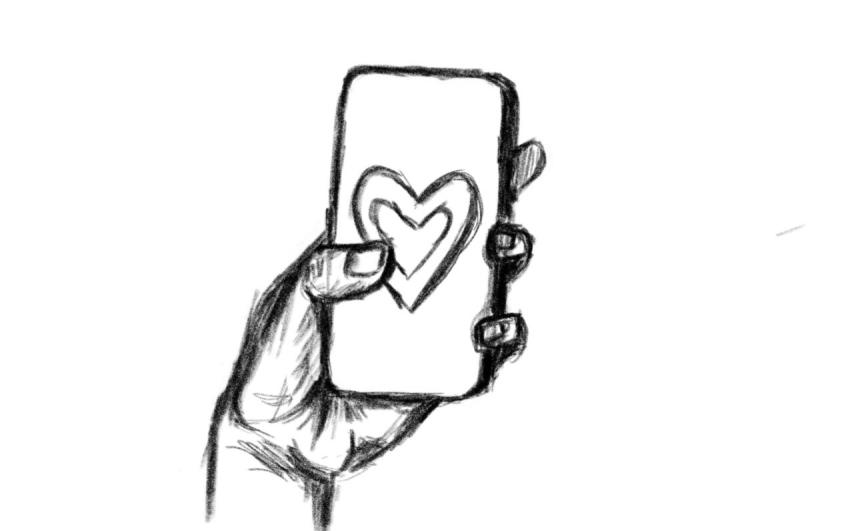
Dating apps work the opposite way, she argues. Matches may provide a boost to self-esteem, but the effect is short-lived and impersonal. She says that the feedback you get on dating apps doesn’t feel like it’s meant for you, so people don't attribute it to themselves, and that can lead to lower self-esteem and more loneliness.
Dating is a business
Despite slogans such as Hinge being “made to be deleted”, Yousif believes dating apps don’t want people to delete them. They are designed to keep users addicted and playing. She says that dating apps are made to be a swiping game. Maybe the next person will be a match, maybe not. And as soon as a match pops up, you get a dopamine rush.
Many experts say that it takes approximately 40-60 matches to get a single date. The hope of finding a perfect relationship keeps people swiping, and many are willing to pay to fulfill that dream. Apps offer paid subscriptions that promise increased visibility and better chances of meeting someone.
According to an Appscript research report, the global dating app industry was valued at $13.1 billion in 2025 and is expected to continue growing in the near future.
Yousif criticizes the industry for reducing people to commodities. She argues that dating apps take away humanity because they are superficial, and you can’t see the personality of the people.
Superficiality
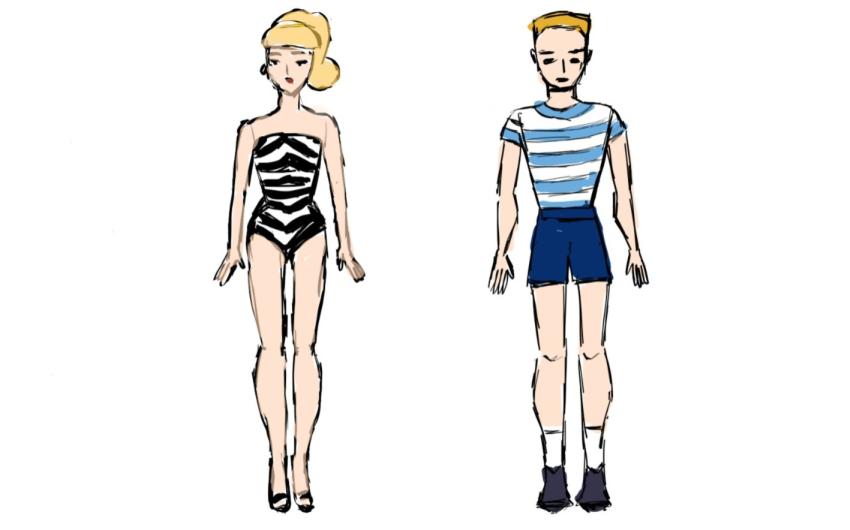
Helmi says her most meaningful relationships have formed offline. She doubts she will find “the one” through dating apps. She says that apps are extremely appearance-based. People speak disrespectfully, ghost easily, and use others just for sexual interests.
Yousif agrees, saying that dating apps are not designed for long-term relationships, but rather short-term excitement. She says that they’re built for the honeymoon phase — having the butterflies, and that's it.
Markus used Tinder for five years before meeting his current partner. He went on more than 20 dates during that time. He noticed that profiles often didn’t match reality. People edit photos so much that they don’t look the same in real life. He says that a couple of times, he was a bit disappointed because the person didn’t look the same as in the profile pictures.
Having dated before the digital era, Markus feels that while apps make meeting people easier, dating has become more complicated and less natural. He says that people put too much pressure on dating these days. It’s not that serious, Markus says.
We're overcomplicating the topic of love
In the past, dating and marriage were closely tied to economic security and social status, particularly for women. Those expectations have now shifted. As noted in Vogue’s article Is Having a Boyfriend Embarrassing Now? , independence and single life are valued more.
The social pressure to find a partner is lower, which has increased the expectations of people because now you don’t have to settle for less. This has caused a rise in individualism that affects the dating culture in many ways. People don’t have the pressure to date because options for partners seem endless. They have this mindset that there's always more fish in the sea.
According to Yousif, sometimes people tend to tackle meaningless things. Social media has made people search for “red flags”, so-called alarm signals, in the person they are dating. They think too much and focus on the wrong things. People might break up over the smallest issues. Even something like owning an Android phone can be labeled as a red flag, Yousif says.
Social media amplifies these expectations. Couple influencers present idealized versions of relationships, so real people don’t know what real relationships are like. Because of social media, people have this mindset that the grass is greener on the other side, Yousif says. People expect love to feel like butterflies forever. They think you're never supposed to fight, and as soon as something small happens, it’s labeled as a red flag. I think it's too complicated. We're overcomplicating the topic of love, Yousif says.
There is hope for the future
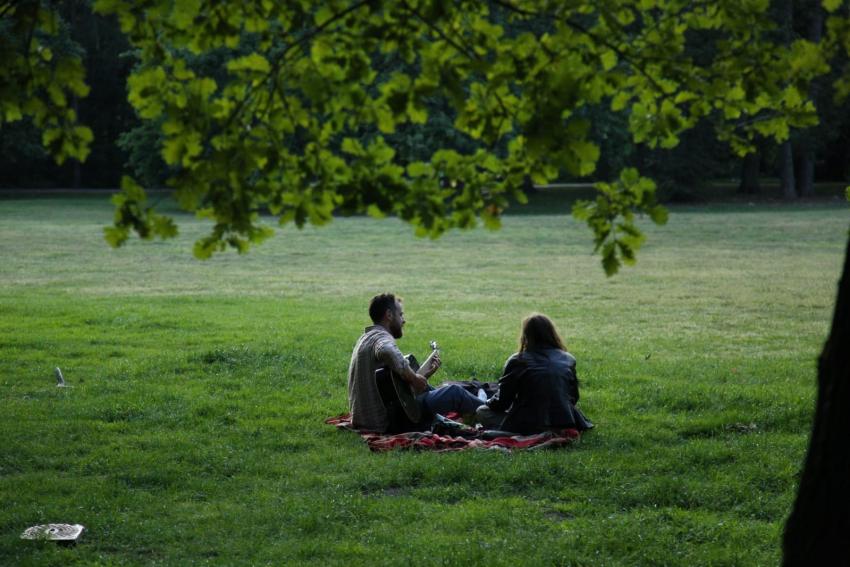
Despite its flaws, modern dating culture is not hopeless. Apps have changed how people meet, but the desire to connect is still there.
Markus believes dating apps are especially helpful later in life. With children and demanding work hours, he says he would not have met his partner without Tinder.
According to Yousif, the problem is not technology, but fear. People are afraid of rejection, embarrassment, and being “cringe.” We must be able to be cringe, different, and quirky to meet new people, Yousif says.
She believes dating culture will eventually find balance again. She thinks that sooner or later, people will realize that being alone is not the right way. Eventually, we will start wanting to go outside to meet people and get away from the apps. We will circle back to the old times, but in a newer version, she says.
More stories on how to make our society future-proof can be found in this section.
Tips on how to survive today's dating culture and find a partner
1. Go offline more often — try to be in real life, try seeing your phone as a separate thing. It's not part of you; don't use it as part of your personality.
2. Be mindful if you use dating apps — Even though you can hide behind the anonymity, be honest and respectful, and think of other people's feelings.
3. Go out, flirt with people, and don’t be afraid of getting rejected — Dating shouldn't be that serious; just have fun. If you get rejected, don't worry about it too much; it only helps you in the end.
4. Avoid dopamine-driven dating — Good things don't necessarily come easy; it may need some effort, so don't always go for the easy options. Put in some effort and don't give up.
5. Look beyond appearance, try to find someone interesting — A real connection is based on your personalities matching, not just looks.
6. Watch romance movies to get back that old feeling of love.
Auch interessant






Mehr von edit