The Illusion of Perfection: Strategic Control, the Trust Gap, and the Future of AI Influence
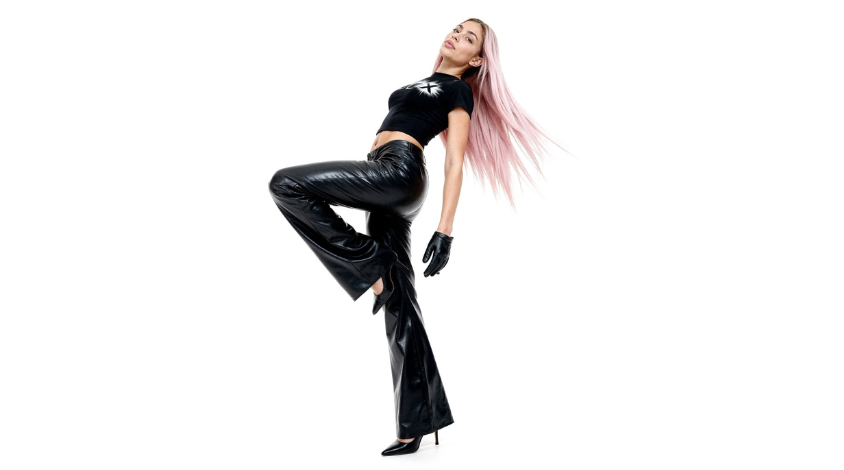

Imagine scrolling through your Instagram feed and encountering a vibrant, 26-year-old woman from Barcelona with striking pink hair and an athletic build. She is unboxing a sleek, pink Razer gaming chair that perfectly matches her aesthetic. She smiles, the lighting hits her skin with hyper-realistic precision, and her caption radiates a daring personality. However, Aitana López does not exist. She is Spain’s first 100% AI-generated influencer, a digital creation by the agency The Clueless.
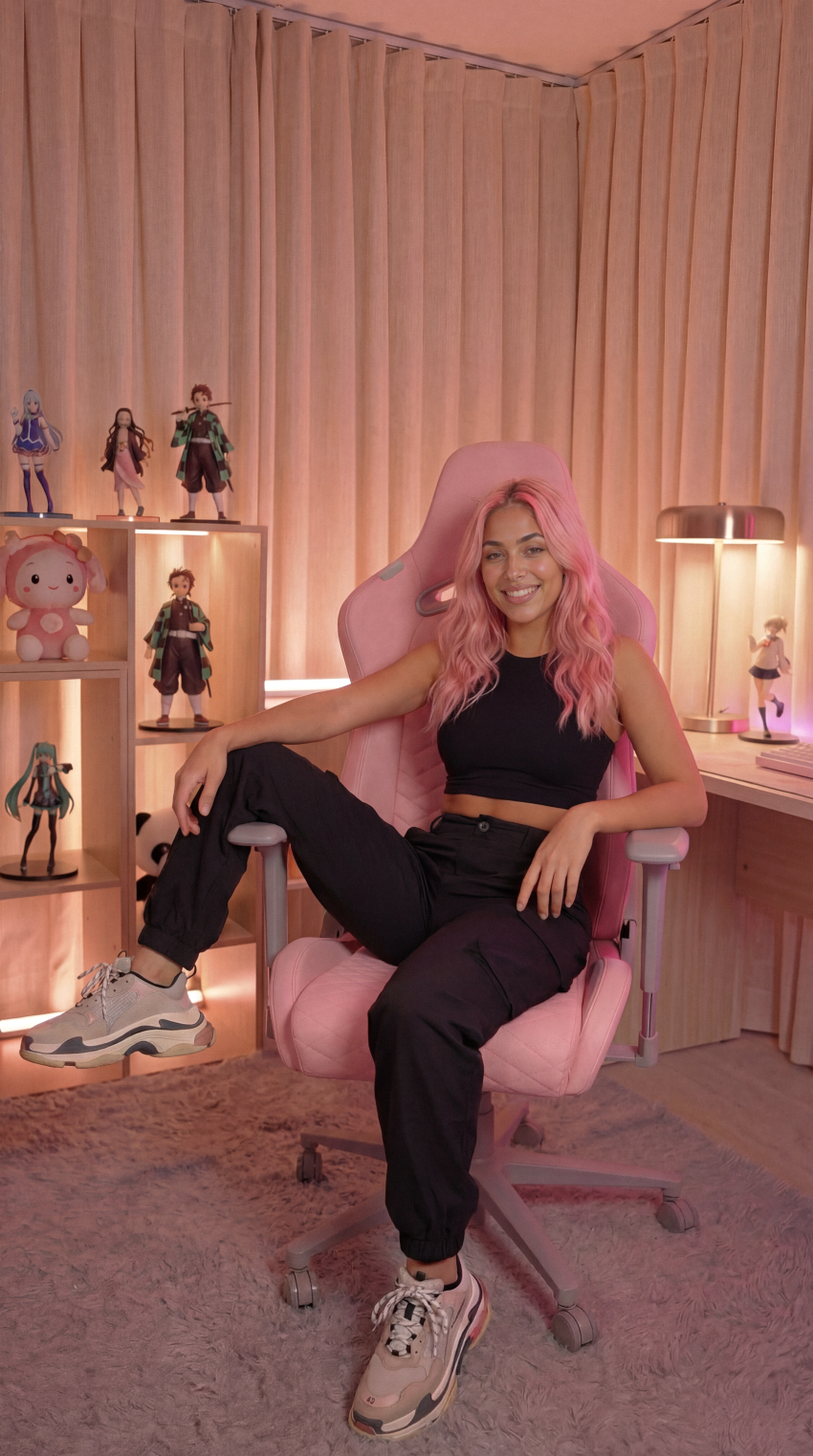
This collaboration with Razer is more than a simple marketing campaign; it serves as a case study for the blurring lines between technology and desire. While the campaign boasted over 113,000 views, it also raised questions among skeptical users regarding what is real. This interaction reflects a broader industry shift where influencers are constructed by combining specific niche interests - such as gaming and fitness - with curated physical traits to target modern consumer segments.
The Mechanics of Synthetic Identity
To understand the mechanics of this digital movement, it is essential to look at the strategic storytelling behind these icons. Diana and Rubén, the founders of The Clueless, explain that their daily operations go far beyond simple image generation. They begin by defining a clear purpose, tone, and cultural context to build a "coherent personality" that is intended to evolve much like a human being. According to the agency, their creative judgment remains paramount, as they analyze market trends to create characters with their own identity rather than mere copies.
These virtual personas, inspired by contemporary artists, often include the "AI" acronym in their names and the #aimodel hashtag in their profiles. However, according to a report by El Mundo, suggest that this level of disclosure remains insufficient for many users, who frequently mistake them for real women, highlighting a significant gap in digital transparency. While the founders argue that audiences connect with the story regardless of the influencer's physical nature, they have not provided specific examples or empirical evidence to support how this "discovery process" translates into genuine, long-term loyalty.
Performance Metrics and the Engagement Paradox
When moving from theory to practice, analyzing the Razer campaign - a cornerstone of Aitana’s success - reveals a complex reality. The campaign's impact is rooted in a "Brand Fit" where the product is integrated into Aitana's narrative universe through a conscious intersection of data and creativity. However, the numbers highlight a "Reach-Engagement Paradox".
With over 113,000 views but only 1,800 likes, the campaign exhibits a relatively low engagement rate of approximately 1.6%. This suggests that while Aitana López is a powerful tool for capturing "passive reach" and brand awareness, there remains a significant challenge in converting those eyes into active emotional engagement. The high view count coupled with lower interaction might reflect a process where users watch out of curiosity or to "fact-check" the AI's realism, rather than out of genuine loyalty to the influencer. From a brand's viewpoint, the value may lie in the scalability and creative safety, but the engagement feels more "clinical" than that of a human creator.
The External Perspectives: A Reality Check
Other sectors of the industry view the rise of AI influencers with analytical skepticism. Manu Martín, a lifestyle content creator, offers a perspective on the "uneven playing field" that AI represents. He argues that the true value of a human influencer lies in the authenticity of imperfection and exhaustion—traits AI is designed to bypass. "We are being asked to compete with a standard of 'availability' and aesthetic perfection that is biologically impossible for any human," Martín notes, suggesting that human vulnerability is the bridge that creates a real bond with the audience.
Furthermore, Alexandra Martínez, Associate Professor at Universitat Pompeu Fabra, warns of a "Glass Ceiling of Trust". She suggests that as AI influencers become more prevalent, the initial novelty factor will wear off, leaving brands with high-reach assets that may fail to inspire actual consumer action. In industries like skincare, where physical proof is paramount, a virtual influencer remains a mere aesthetic representation, unable to provide the biological evidence consumers require.
The Legal Frontier and Conclusion
The most pressing challenge for this industry is the evolving legal framework. Elisa Gutiérrez, expert in Communication Law, emphasizes that the "transparency" currently advocated by agencies will soon be a strict mandate under regulations like the EU AI Act. This will likely require permanent and unmissable watermarks on all AI-generated content to prevent consumer deception. Legal debates are also intensifying regarding image rights and how to protect real individuals from having their features harvested for virtual counterparts.
In conclusion, the emergence of Aitana López signals a shift where predictability has become a new premium for brands. While agencies trade human spontaneity for absolute creative safety, the future will be a race to define who can better manage communal trust. Transparency is no longer just an ethical gesture; it is the only viable business model in an era where the blur between reality and fiction is the most honest reflection of our digital age.
More stories on how to make our society future-proof can be found in this section.







Mehr von edit