How digital detox movements are helping people find balance


Smartphones, computers, social media—we are constantly surrounded by numerous digital devices and online services in our daily lives. While their convenience is undoubtedly a major benefit, dependence on digital devices and stress from information overload have become societal issues. A study by Swedish researchers revealed that excessive technology use among young adults is associated with sleep disorders, depressive symptoms, and increased stress levels (BMC Public health, 2011).
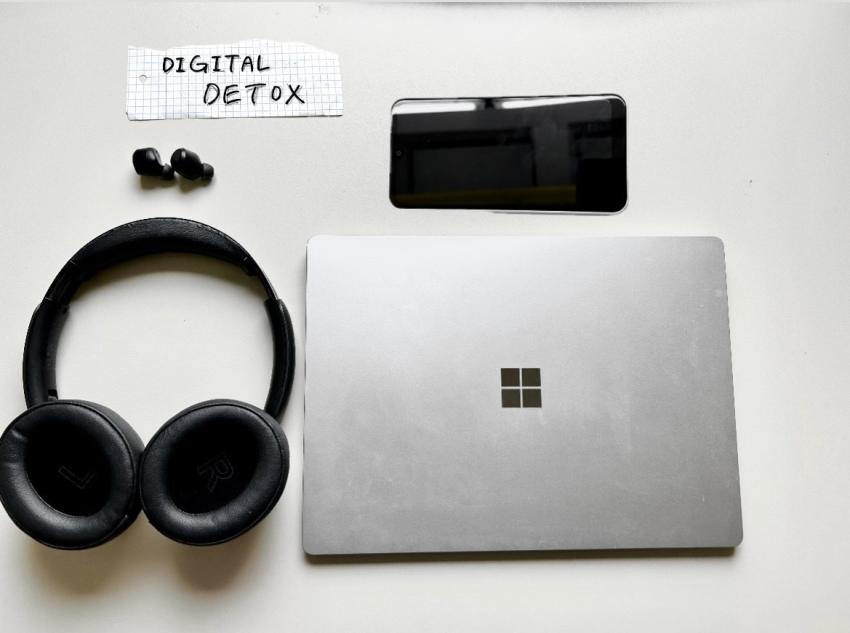
Against this backdrop, “digital detox” has gained attention, and a movement is spreading to refresh both mind and body by distancing oneself from digital devices for a set period or even just one day. It's a way to maintain a healthy relationship with digital devices, keeping a proper distance rather than cutting them out entirely.
So how does the digital detox movement help people regain balance in a hyperconnected world? This article explores the relationship between digital detox and mental health, shares experiences from people who have tried it, and offers practical tips for implementation.
While people often feel that they can't imagine life without their tech devices, research and surveys have found that technology use can also contribute to stress. According to the American Psychological Association's annual “National Survey of Stress in America,” one in five U.S. adults cited technology use as a major source of stress in their lives (American Psychological Association, 2017).
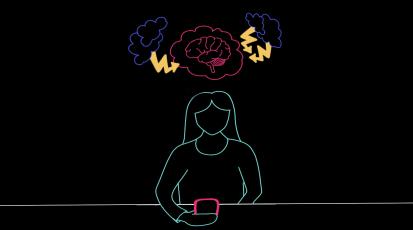
For many people, much of this technology-related stress stems from the constant digital connection and the perceived need to constantly check emails, text messages, and social media. The state of “information overload” unknowingly burdens the brain and mind. Especially on social media, people tend to compare their own posts to others, easily feeling a sense of being left behind. When these small stresses accumulate, they can impact mental health, potentially leading to decreased concentration, heightened anxiety, and poorer sleep quality.
Digital detox as a social movement
In today's environment where digital tools are essential, initiatives to protect mental and physical health directly contribute to a sustainable growth. It is perceived not as an individual but as a “social movement.”
For example, there is World Digital Detox Day. It promotes mindfulness and balance in our relationship with technology. Founded in response to growing digital overload, the movement encourages people to unplug from constant screen use, reconnect with the offline world, and improve their overall well-being. Its mission is to empower individuals with the awareness and tools needed to manage their digital habits mindfully, foster meaningful connections, and create a healthier, more balanced lifestyle in a hyperconnected society.
Digital detox refers to taking a break from devices such as smartphones, laptops, tablets, and televisions for a set period. The goal is to reduce dependence on technology, refresh the mind, and reconnect with the physical environment. It doesn't necessarily mean complete disconnection. Some people take short breaks over the weekend, while others plan longer retreats where they set their devices aside. The approach varies depending on lifestyle and personal goals.
The relevance of digital detox has grown stronger in recent years. There are many reasons why you might want to temporarily put down your digital devices. You may want to free yourself from the distractions brought by these and enjoy some time just for yourself. Depending on the situation, you may feel like you're dependent on the device. According to a survey conducted by Common Sense Media, half of teenagers reported feeling dependent on their mobile devices. A remarkable 78% of responding teens stated they check their digital devices every hour(Common Sense Media, 2016).
Interview with a university student
Jola who is a university student in Japan, realized she was using too much phone. Before she knew it, whether on the train, in the bathroom, in the bath, before bed, or right after waking up, she was always with her phone. It had become an extension of her body. Her screen time exceeded 10 hours which meant she was dedicating 62.5% of her waking hours to her phone. “I don’t want to spend half of my day on smartphone so I knew I had to do something.”
And she made a decision to do a digital detox. She did 4 things. First, she visualized her smartphone usage time to understand her smartphone dependency with numbers.
Second, she turned off notifications. She kept only the essential ones and turned everything else off. “But what if I miss an important message,” That worry crossed her mind, but she figured if it’s truly an emergency, they’d call her. Life goes on even without social media “like” notifications.
Third, keep her phone physically out of reach. She made a rule that when she got home, she put her phone in a dedicated box by the front door. It is simple method of only going to get it when needed.
Fourth, find a new hobby. As she spent more time away from her phone, she found herself with free time. To fill that free time, she decided to start a new hobby, in her case, it was reading books. After following a digital detox for one month, these changes occurred in her life. First, her eye strain has decreased. Back when she spent all day staring at screens, her eyes would feel dry and gritty by evening and her contact lenses often became painful too. After her digital detox, eye fatigue has noticeable lessened. Second, her stress level has decreased. She realized she was unconsciously feeling stressed by seeing others “perfect lives” on social media. Without anything to compare herself to, she can live at her own pace and feel mentally at ease. Third, her expenses have decreased. Impulse buys by “seeing it on my phone and wanting it have drastically dropped. Since she was spending less time shopping online, her monthly spending has decreased by about 100 euros.
Fifth, she has gotten better at managing her time. By spending less time on her phone, her days now feel longer. She can dedicate time to the things she wants to do without saying “I don’t have time.”
A constructive solution
Simply reducing the time spent on smartphones and computers can make your mind feel clearer, your emotions calmer, and your focus sharper. When you actually try a digital detox, the changes that come are greater than you might imagine. It improves concentration and reduces stress. Digital detox is an effective way to reclaim time for deep concentration on a single task. In addition, distancing yourself from social media—where we tend to unconsciously compare ourselves to others—can significantly reduce mental pressure and help maintain peace of mind. It also has the effect of improving physical condition. When people do a digital detox, many start noticing small changes in their physical condition, such as “my eyes feel more relaxed” or “my shoulders feel lighter.”
How exactly should one go about a digital detox? Some might argue that true digital detox means disconnecting from all digital devices and social media for a predetermined period. However, what matters is making device usage work for your own life and needs. Here are 5 simple methods you can start putting into practice today. First, it's important to understand how much you use your smartphone. Visualizing how much time you spend on your smartphone each day and how you use it should prompt you to reconsider your smartphone habits.
Second, avoid looking at your smartphone for one hour before bedtime. Researchers also found that social media use on electronic devices during bedtime negatively impacts sleep and mood. According to the survey results, using social media in bed at night has been found to increase the risk of anxiety and insomnia, and may lead to shorter sleep duration (Sleep Health, 2018).
Third, place your smartphone somewhere physically out of reach. For example, inside your bag or a dedicated box. A university student who did this method said she have been checking her phone less often without even realizing it. She said “Who knew feeling like something’s hassle could actually help with addiction treatment.”
Fourth, set limits. Setting limits on the times when you allow such digital connections to consume your time can be beneficial for your mental health. When you reach your limit, you'll receive a notification, helping you avoid mindless, aimless scrolling. Research suggests that limiting social media use to approximately 30 minutes per day significantly improves well-being and reduces feelings of loneliness and depressive symptoms (Journal of Social and Clinical Psychology, 2018).
Fifth, find enjoyment outside of digital devices. For example, reading books, going for walks, or writing a diary. Some people might think they don't have much time, but if you consider converting the time spent on digital devices into that time, managing your schedule might be easy.

Smartphones and PCs are convenient and indispensable. However, staying constantly connected can wear down both your mind and body without you even realizing it. Digital detox is an unavoidable issue for modern humanity. Today, everyone from children to the elderly uses smartphones and computers, making it an era where nearly all people worldwide are connected to digital devices. These convenient digital devices are changing human life. There are positive aspects to this, but there are also negative ones. Digital detox involves reflecting on and reevaluating those negative aspects.
The most important thing is not to aim for perfection, but to start with small, everyday steps and consciously create even a little time away from your digital devices.
This is a dossier contribution for the ICP – International Content Production module. Our overarching theme is “Make our society future proof,” and this contribution highlights the sub-theme of media overload.
Part of this dossier are the analysis "News fatigue and overload: brain state emergency" and the essay "Slow news in a Fast-Food World."